Rattan Outdoor Lantern
Contact

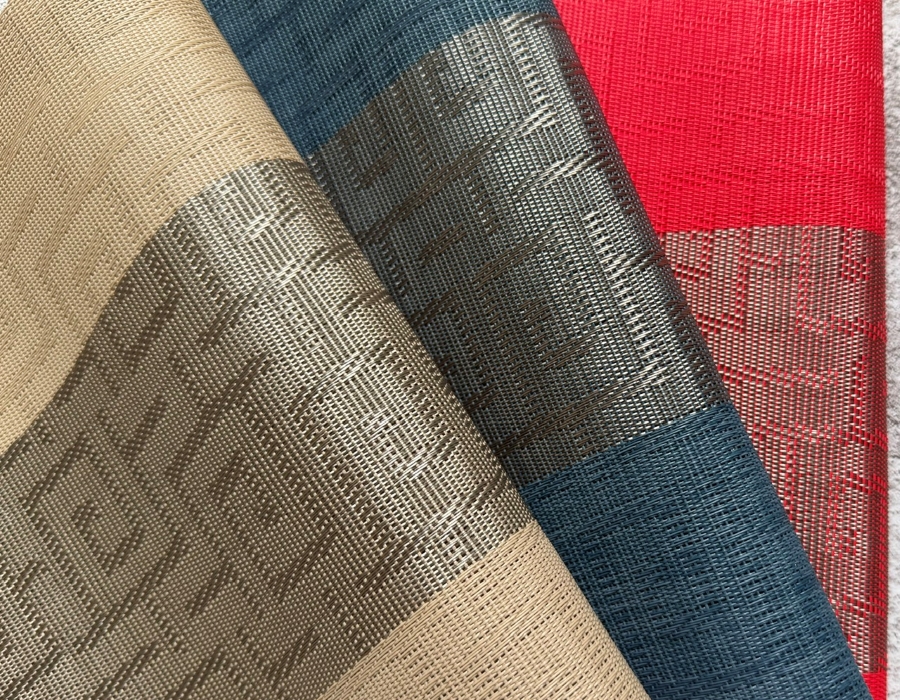

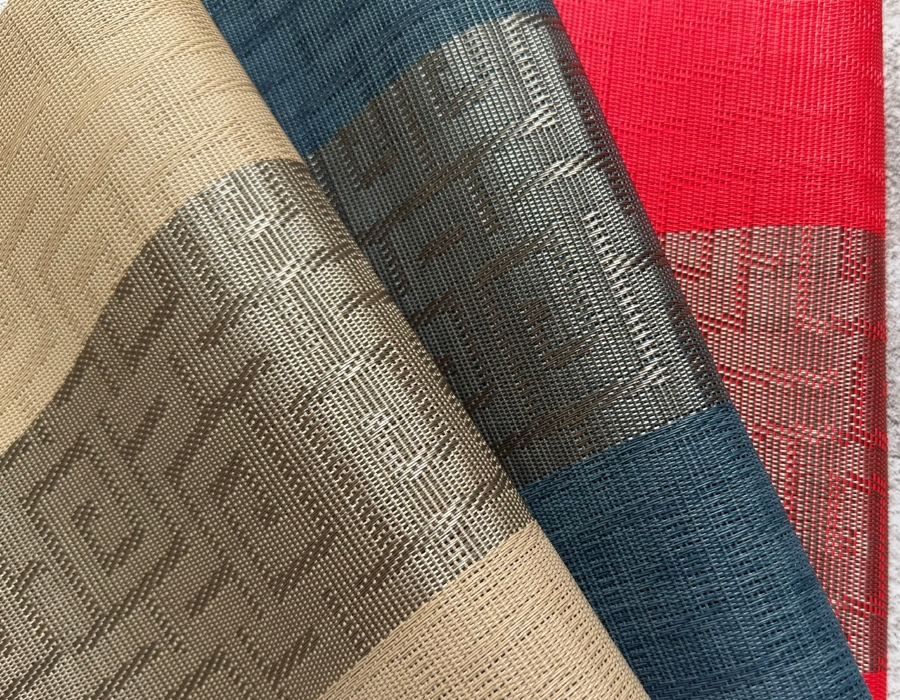
Textilene placemats for Chinese, Japanese and Asian restaurants offer a refined way to enhance dining spaces with Asian-inspired geometric patterns and three distinctive color combinations: red and grey, beige and brown, and teal and beige. Featuring a distinctive woven surface, these placemats complement a variety of dining concepts, from Contemporary Chinese Dining to Japanese Minimalism and Contemporary Asian Dining. Hospitality Vietstar provides restaurant placemat solutions for hotels, resorts and restaurants, supporting hospitality projects in selecting table accessories that align with their interior design concepts and desired guest experiences.
TEXTILENE PLACEMATS WITH ASIAN-INSPIRED PATTERNS – A STYLISH DINING SOLUTION FOR CHINESE, JAPANESE AND ASIAN RESTAURANTS
In a professional restaurant setting, every detail on the dining table contributes to the overall guest experience. Alongside dinnerware, table linens and serving accessories, placemats play an important role in completing the table arrangement, enhancing visual appeal and reflecting the restaurant’s design identity.
For Chinese restaurants, Japanese restaurants and contemporary Asian dining establishments, choosing the right placemat involves more than simply selecting a color or material. Patterns, color combinations and the harmony between table accessories and the dining environment are equally important in creating a distinctive dining experience.
Featuring a geometric pattern at the center and contrasting solid-color borders, these Textilene placemats offer a decorative yet practical option for restaurants seeking table accessories that complement Asian-inspired interiors and professional hospitality environments.
1. Textilene Placemats – A Distinctive Accent for Asian Dining Spaces
Inspired by geometric design elements and structured color combinations, these Textilene placemats feature a decorative patterned band across the center, balanced by solid-color sections at both ends.
This design creates a subtle contrast between the patterned area and the surrounding colors, allowing the placemat to become a distinctive accent without overwhelming the overall table setting.
The Asian-inspired geometric pattern complements a variety of restaurant interiors, particularly spaces featuring natural materials, wooden furniture, warm lighting and minimalist dinnerware.
These placemats are suitable for:
With their decorative design, these placemats can be incorporated into professional table settings to create visual consistency across dining areas while enhancing the overall presentation of the restaurant.

2. Three Color Combinations for Different Restaurant Concepts
One of the key design advantages of these Textilene placemats is their ability to create different dining atmospheres through carefully selected color combinations.
Red and Grey Textilene Placemats
The combination of red and grey creates a distinctive visual accent, making these placemats suitable for contemporary Asian restaurant interiors.
Red introduces warmth and energy, while grey balances the overall appearance and prevents the color combination from becoming overly vibrant.
This color combination is particularly suitable for:
When paired with white or black dinnerware and stainless steel cutlery, red and grey placemats create a visually balanced table setting with a clear sense of contrast.
Beige and Brown Textilene Placemats
The beige and brown combination creates a natural, understated and refined appearance.
This color combination is ideal for restaurants that embrace minimalist design, where materials and colors work together to create a calm and welcoming dining atmosphere.
These placemats are particularly suitable for:
The neutral beige and brown tones complement oak tables, cream-colored stone surfaces, handcrafted ceramic dinnerware and natural materials such as bamboo, wood and stone.
For hospitality projects, this is a versatile color combination that works well in dining spaces requiring visual harmony and consistency.
Teal and Beige Textilene Placemats
The combination of teal and beige introduces a contemporary, sophisticated and distinctive visual character.
The teal color creates a refreshing accent compared with traditional neutral tones, while the beige patterned band maintains a balanced overall appearance.
This color combination is suitable for:
When paired with light wood tables, natural stone surfaces and white dinnerware, teal and beige placemats create a contemporary dining atmosphere while maintaining a refined appearance.
3. Textilene Material – A Consideration for Professional Restaurant Environments
Textilene is a woven mesh material commonly manufactured from PVC-coated polyester yarns. It is used in various furniture and hospitality applications due to its distinctive woven structure.
For dining placemats, Textilene offers several characteristics worth considering when planning restaurant table settings and daily operations.
A Woven Surface with Contemporary Appeal
The woven structure of Textilene creates a textured surface with visual depth, distinguishing these placemats from conventional flat-surface table accessories.
Combined with the geometric pattern, the material creates a decorative appearance that complements contemporary Asian dining interiors.
Designed with Restaurant Use in Mind
Placemats are frequently used in restaurant environments, where table accessories need to be cleaned and rearranged after each dining service.
The characteristics of Textilene make it a material worth considering for dining spaces that require woven-surface table accessories and convenient handling during cleaning.
Actual cleaning procedures should follow the manufacturer's care instructions, with particular attention to the compatibility of cleaning agents used in restaurant operations.
Supporting Consistent Table Settings
Placemats are not only decorative table accessories but also important elements in defining the overall dining presentation.
Using a consistent placemat design with carefully selected colors helps restaurants maintain a cohesive table arrangement while allowing flexibility across different dining areas and service concepts.
4. Table Setting Solutions for Chinese, Japanese and Asian Restaurants
In hospitality projects, dining accessories should be selected according to the overall interior design, culinary concept and guest experience that the restaurant aims to deliver.
These Asian-inspired Textilene placemats can be incorporated into a variety of professional table-setting concepts.
For contemporary Chinese restaurants, the red and grey color combination is a distinctive choice for creating a visual accent on the dining table.
It can be paired with dark wood furniture, white dinnerware, stainless steel cutlery and neutral-toned serving accessories.
The combination of red and natural materials creates visual depth while contributing to a warm and welcoming dining atmosphere.
Japanese dining concepts often emphasize balance between colors, materials and food presentation.
The beige and brown placemats complement Zen-inspired interiors and Japanese minimalism, while the teal and beige combination can be incorporated into contemporary Japanese dining spaces.
When paired with handcrafted ceramic dinnerware, light wood tables and minimalist serving accessories, these placemats help create a harmonious and well-balanced table setting.
For contemporary Asian restaurants, geometric-patterned placemats offer a way to introduce visual interest without adding excessive decorative elements.
The red and grey, beige and brown, and teal and beige combinations can be selected according to the restaurant's interior concept, helping maintain consistency while allowing flexibility across different dining areas.
5. Textilene Placemats for Hotel, Resort and Restaurant Projects
For hospitality projects, dining accessories should be evaluated in terms of design, material characteristics, practical use and consistency across the overall dining environment.
These Asian-inspired Textilene placemats are suitable for hospitality buyers seeking decorative dining accessories that complement restaurant concepts and can be incorporated into professional table-setting plans.
Potential applications include:
Hospitality Vietstar provides dining accessories and restaurant supply solutions for hotels, resorts, restaurants and hospitality projects.
In addition to Textilene placemats, designers and hospitality operators can explore other placemat options, including leather placemats, rattan placemats and complementary dining accessories to suit different dining concepts.
6. How to Choose the Right Placemats for Your Restaurant Concept
Selecting the right placemat for a restaurant requires consideration of the product design and the overall dining environment.
Several factors should be considered:
- Interior Design Concept: Choose patterns and colors that complement the restaurant's design direction, from Japanese minimalism to contemporary Chinese dining.
- Interior Color Palette: Placemats should create a harmonious relationship with table surfaces, chairs, dinnerware and serving accessories.
- Material: Consider the characteristics of Textilene, its care instructions and the actual conditions in which the placemats will be used.
- Consistency: Select a suitable design and color combination to maintain a cohesive table-setting style across different dining areas.
With its Asian-inspired geometric pattern, this Textilene placemat offers a distinctive dining accessory for restaurants seeking an elegant, coordinated and concept-driven dining environment.
Hospitality Vietstar – Dining Accessories for Restaurants and Hotels
Hospitality Vietstar provides dining accessories and hospitality supply solutions for restaurants, hotels and resorts.
We support hospitality projects in selecting products that complement their interior design, operational requirements and desired guest experience.
If you are looking for placemats for Chinese restaurants, Japanese restaurants or contemporary Asian dining spaces, contact Hospitality Vietstar to explore our Textilene placemat designs and select a color combination that complements your restaurant concept.